Wicom Aviation Headsets & Replacement Accessories
Shop Wicom aviation headsets and replacement accessories at Pilots HQ for dependable cockpit communication in fixed-wing aircraft and helicopters. The current collection includes passive noise reduction headsets for general aviation and rotorcraft applications, along with replacement gel ear seals, foam ear seals, and microphone windscreens for compatible Wicom headset models.
Wicom Products Available at Pilots HQ
- Wicom Mono Aviation Headset AVHM10-BK
- Wicom Mono Helicopter Headset HHNX10-BK
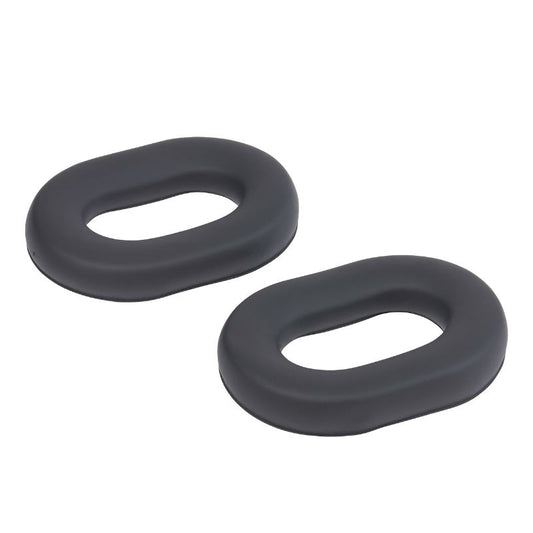
- Wicom Replacement Gel Ear Seals AVAC1012
- Wicom Replacement Foam Ear Seals AVAC1008
- Wicom Replacement Microphone Muff with O-Ring AVAC1009
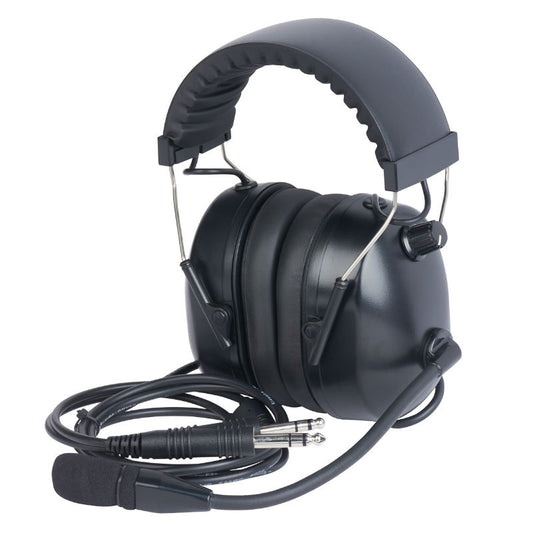
Wicom General Aviation Headset AVHM10-BK
The Wicom AVHM10-BK mono aviation headset is designed for fixed-wing general aviation aircraft equipped with standard dual-plug connections. It combines passive noise reduction with a noise-canceling electret microphone to support clear communication between pilots, passengers, air traffic control, and other aircraft occupants.
The headset features black ABS ear cups, an articulating flexible microphone boom, cushioned ear seals, and a padded headband for extended cockpit use. Its molded straight cord is designed to provide flexibility while helping the headset withstand regular handling during training, recreational flying, and general aviation operations.
General Aviation Headset Features
- Passive noise reduction headset design
- Standard general aviation dual plugs
- Noise-canceling electret microphone
- Flexible microphone boom for positioning
- Cushioned head pad and ear seals
- Black ABS ear cup construction
Wicom Helicopter Headset HHNX10-BK
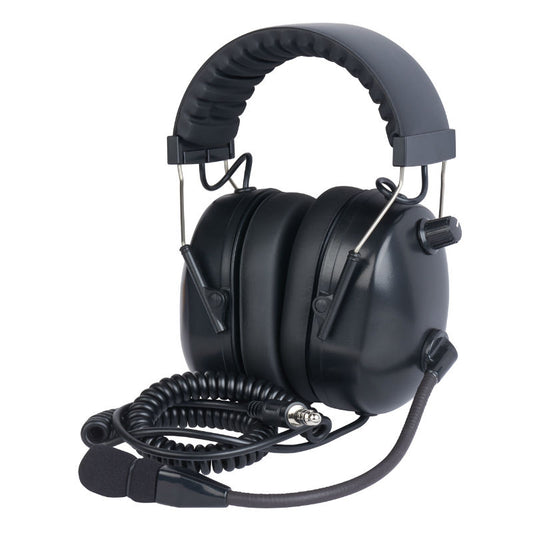
The Wicom HHNX10-BK mono helicopter headset is configured for compatible rotorcraft intercom systems using a U-174/U-style single plug. It provides passive hearing protection and amplified microphone communication for helicopter pilots, instructors, passengers, and crew members.
Its flexible boom allows the microphone to be positioned close to the mouth for consistent voice transmission. Wide foam-filled ear pads help create a comfortable seal around the ears, while the coiled headset cord supports movement within the cockpit without leaving excessive loose cable.
Helicopter Headset Features
- Single-plug helicopter headset configuration
- Compatible U-174/U-style connection
- Passive noise reduction
- Noise-canceling amplified microphone
- Flexible microphone boom
- Coiled cord for rotorcraft cockpit use
Passive Noise Reduction for Cockpit Communication
Wicom aviation headsets use passive noise reduction to help reduce continuous cockpit and engine noise. The manufacturer identifies its aviation and helicopter headset models with a 24 dB noise reduction rating. Actual performance may vary depending on headset fit, ear seal condition, eyewear, cockpit noise, and how the headset is adjusted.
A proper seal around the ears is important for both comfort and noise attenuation. Sunglasses, hats, hair, or damaged ear seals can create gaps that reduce the effectiveness of a passive aviation headset. Adjust the headband and ear cups before flight so the headset remains secure without creating excessive pressure.
Replacement Gel Ear Seals AVAC1012
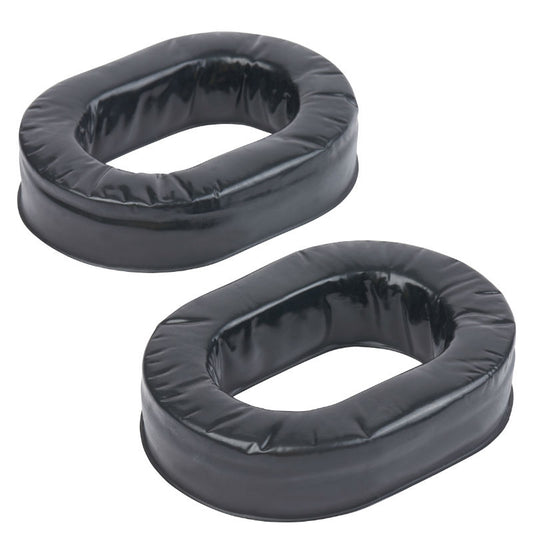
Wicom AVAC1012 gel-filled ear seals are designed to improve comfort and help maintain a consistent seal around the ears. The soft gel conforms to the wearer’s head and may be especially useful for pilots who spend extended periods wearing a headset.
Replacing flattened, cracked, hardened, or leaking ear seals can restore comfort and help preserve passive noise reduction. Confirm headset compatibility and ear cup dimensions before installation, especially when using Wicom ear seals on another brand of headset or hearing protector.
Gel Ear Seal Benefits
- Soft gel-filled construction
- Designed for extended headset comfort
- Helps maintain the acoustic seal
- Provides additional room around the ears
- Supplied as a replacement pair
Replacement Foam Ear Seals AVAC1008
Wicom AVAC1008 replacement foam ear seals provide a lightweight and economical option for restoring worn aviation headset cushions. Their slow-recovery foam construction is designed to conform around the ears while supporting a comfortable and secure fit.
Foam ear seals should be inspected periodically for compression, cracking, peeling, contamination, or loss of resilience. Replacing worn seals can improve comfort and reduce gaps that allow cockpit noise to enter around the ear cups.
Replacement Microphone Muff AVAC1009
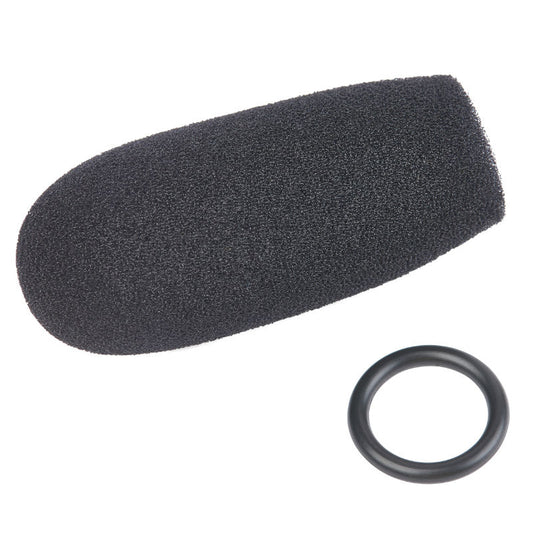
The Wicom AVAC1009 replacement microphone muff includes a foam windscreen and retaining O-ring for compatible headset microphones. A microphone windscreen helps reduce breath noise, airflow, and wind-related interference while also protecting the microphone element from moisture and light contamination.
Replace the microphone muff if the foam becomes torn, loose, brittle, missing, or heavily soiled. The windscreen should fit securely without covering the microphone incorrectly or interfering with boom adjustment.
Headset Accessory Maintenance
- Inspect ear seals for wear and compression.
- Replace damaged or deteriorated microphone windscreens.
- Check cords and plugs for cuts or strain damage.
- Clean headset surfaces with compatible products.
- Store the headset away from heat and direct sunlight.
- Perform a communication check before flight.
Choosing the Correct Aircraft Headset Connection
General aviation and helicopter headsets often use different plug configurations. The Wicom AVHM10-BK uses the common fixed-wing dual-plug arrangement, while the HHNX10-BK uses a single U-174/U-style helicopter plug. These connections are not directly interchangeable without an appropriate adapter and compatible aircraft audio system.
Before ordering, inspect the aircraft headset jacks and review the aircraft or intercom documentation. Confirm the required plug type, microphone impedance, audio configuration, and any adapter requirements. A physically similar plug does not always guarantee electrical or audio compatibility.
Headset Fit and Microphone Positioning
For effective transmission, position the microphone close to the lips and slightly to one side of the mouth. A microphone placed too far away may produce weak or inconsistent audio, while incorrect placement can increase breath noise or allow cockpit noise to enter the transmission.
Adjust the ear cups so they sit evenly around both ears. The headband should hold the headset securely without causing unnecessary pressure. After adjustment, complete an intercom and radio check before departure to confirm clear reception and transmission.
Preflight Headset Check
- Confirm the correct aircraft plug configuration.
- Inspect plugs, cords, and strain reliefs.
- Check ear seals and headband condition.
- Position the microphone near the mouth.
- Test intercom and radio communication.
- Verify that audio is clear in both ear cups.
Care and Storage
Clean Wicom headsets and accessories only with products suitable for plastics, foam, gel, wiring, and electronic equipment. Avoid saturating the microphone, earphone elements, plugs, or cable connections. Do not use aggressive solvents that may damage ABS ear cups, cushions, coatings, or cord insulation.
Store the headset in a dry, protected location where the boom, plugs, cords, and ear seals will not be crushed. Avoid leaving aviation headsets in a hot aircraft cabin for extended periods, as excessive heat may shorten the service life of foam, gel, plastic, and cable components.
Focused Wicom Headset Selection at Pilots HQ
The Pilots HQ Wicom collection is focused on the AVHM10-BK general aviation headset, HHNX10-BK helicopter headset, AVAC1012 gel ear seals, AVAC1008 foam ear seals, and AVAC1009 microphone muff with O-ring. It does not currently represent every headset color, carrying case, ear cup, cable, or accessory offered by the manufacturer.
Browse Wicom aviation headsets and replacement accessories at Pilots HQ for fixed-wing and helicopter communication needs. Review the individual product listing and aircraft audio-system requirements carefully to confirm the correct headset connection, replacement part, and accessory compatibility before ordering.