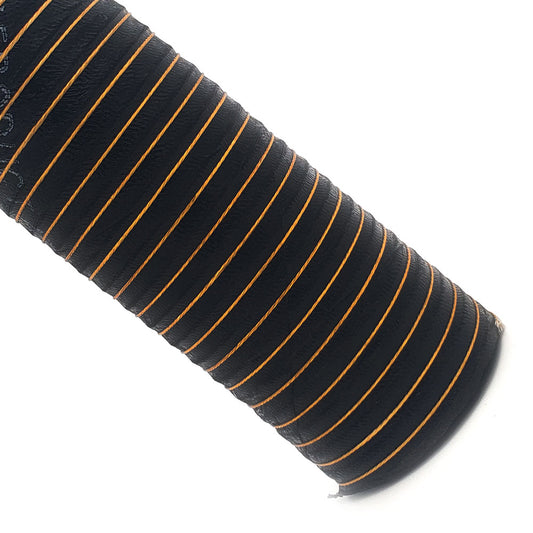
Thermoid Aircraft Hose, SCAT, SCEET & MIL-DTL-6000D Hose
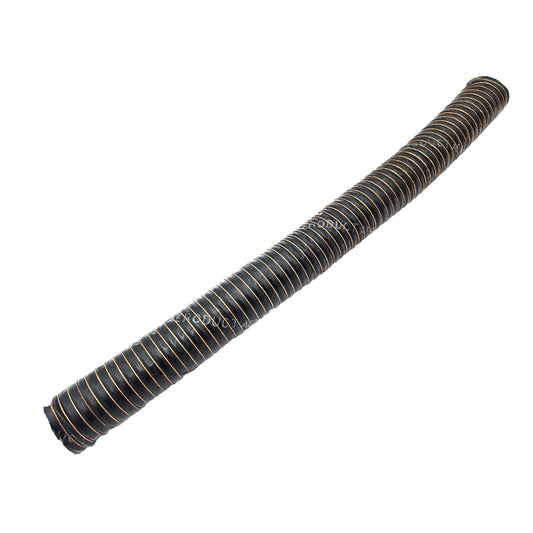
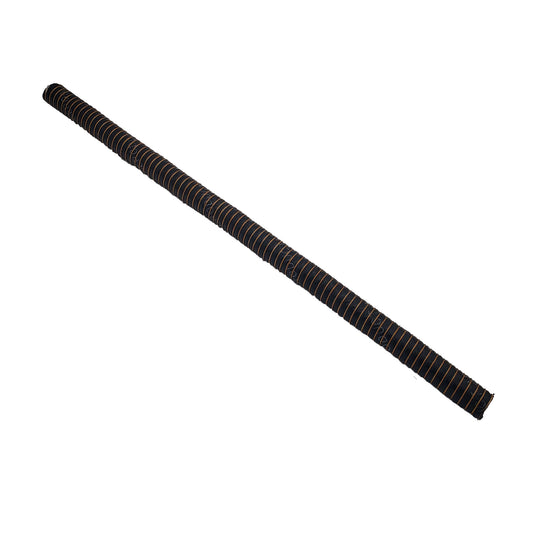
Shop Thermoid aircraft hose and aviation ducting at Pilots HQ. Our Thermoid collection is dedicated to flexible aircraft hose products used for engine induction, cabin heat, ventilation, avionics cooling, and approved fluid transfer applications. The collection includes Thermoid Aeroduct SCAT ducting, Aeroduct SCEET ducting, CAT and CEET high-temperature ducting, and MIL-DTL-6000D rubber hose for fuel, oil, coolant, water, and alcohol systems. Whether you're performing scheduled maintenance, restoring a vintage aircraft, or replacing worn hose during an engine overhaul, Thermoid products provide dependable solutions for a wide range of general aviation maintenance needs.
Thermoid Products Available at Pilots HQ
- Thermoid Aeroduct SCAT aircraft duct hose
- Thermoid Aeroduct SCEET aircraft duct hose
- CAT high-temperature aircraft ducting
- CEET insulated aircraft ducting
- MIL-DTL-6000D rubber aircraft hose
- Multiple hose diameters available by the foot
Aircraft Hose for Airflow and Fluid Transfer
Flexible hose is used throughout an aircraft to transport air and approved fluids while accommodating vibration, engine movement, and confined installation spaces. Thermoid manufactures aviation hose designed to perform in demanding operating environments where flexibility, durability, and dependable performance are essential.
The Pilotshq Thermoid collection focuses specifically on aircraft hose products rather than Thermoid's complete industrial hose catalog. These aviation hoses are commonly selected for engine compartment repairs, firewall-forward maintenance, cabin heating systems, cooling ducts, induction systems, and approved fluid transfer applications identified by the aircraft manufacturer.
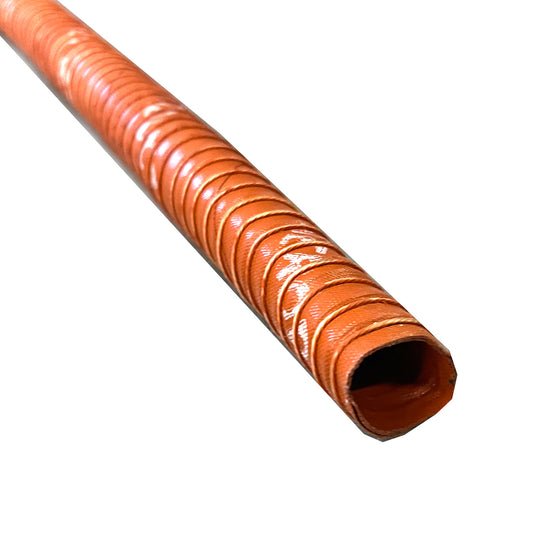
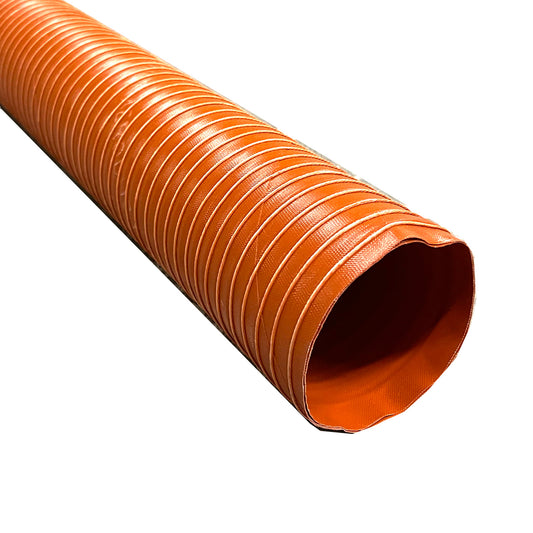
Thermoid Aeroduct SCAT Hose
SCAT ducting is one of the most commonly used flexible aircraft hoses for transporting heated or cooling air in low-pressure systems. Typical applications include cabin heat, carburetor heat, fresh-air ventilation, brake cooling, engine cooling, and other approved airflow systems.
The lightweight construction provides excellent flexibility while allowing installation around engine accessories and airframe structures where rigid ducting would not be practical. Proper hose routing and support help maintain unrestricted airflow while minimizing wear caused by vibration or movement.
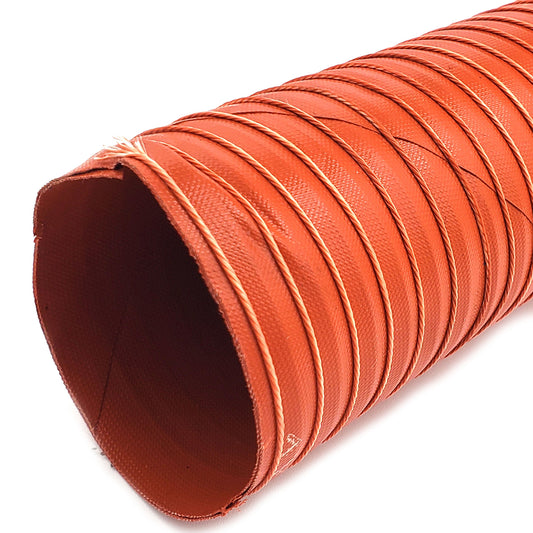
Thermoid Aeroduct SCEET Hose
SCEET ducting offers similar airflow capabilities while incorporating an external reinforcement layer that provides additional durability and abrasion resistance. This construction makes SCEET a popular choice for installations exposed to vibration, movement, or contact with surrounding components.
Although SCAT and SCEET hoses often appear similar, the aircraft manufacturer specifies which material should be installed for each application. Always verify the approved hose type before replacement.
CAT and CEET High-Temperature Aircraft Ducting
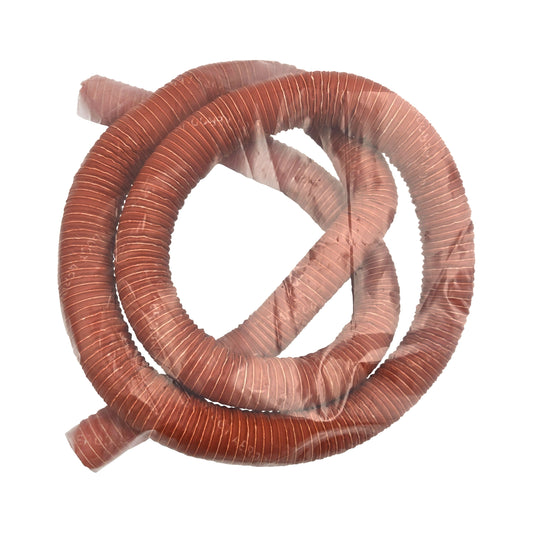
Thermoid CAT and CEET ducting are used in aircraft systems that require enhanced temperature capability or additional insulation. CEET ducting incorporates insulation to reduce heat transfer while carrying heated or cooled air through the aircraft. CAT ducting is designed for approved higher-temperature airflow applications where specified by the aircraft manufacturer.
When replacing ducting, confirm the required hose construction, inside diameter, operating temperature, routing, bend radius, and attachment method using the applicable maintenance manual or illustrated parts catalog.
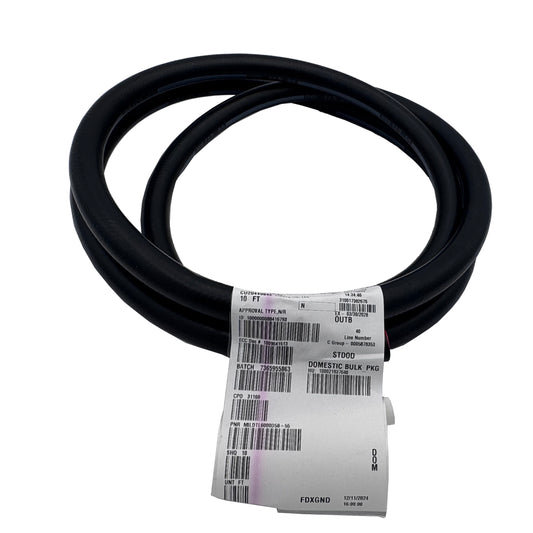
MIL-DTL-6000D Rubber Hose
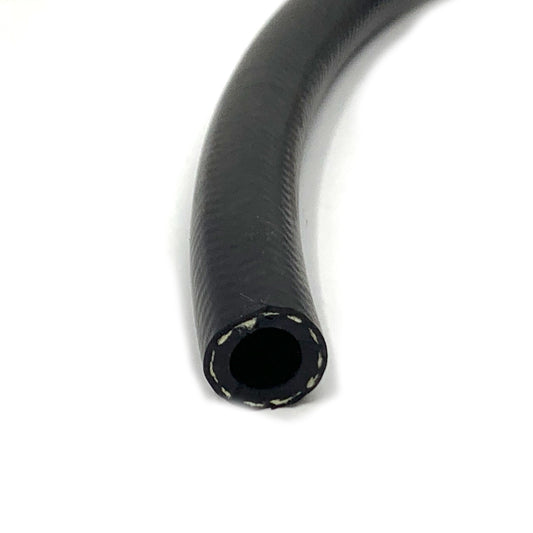
Thermoid also manufactures MIL-DTL-6000D rubber hose for approved aircraft fluid systems. This hose specification is commonly used for low-pressure fuel, oil, coolant, water, and alcohol transfer applications where permitted by the aircraft or engine manufacturer.
Aircraft rubber hose should always be selected according to the required specification, operating pressure, fluid compatibility, temperature range, and installation location. A hose that appears physically similar may not provide the performance required for another aircraft system.
Selecting the Correct Aircraft Hose
Selecting replacement aircraft hose requires more than matching the inside diameter. The aircraft manufacturer may specify the hose material, reinforcement, temperature capability, pressure rating, flexibility, minimum bend radius, and installation method. Choosing the correct hose helps ensure proper airflow or fluid transfer while supporting long service life.
Before purchasing replacement hose, review the current illustrated parts catalog, aircraft maintenance manual, engine maintenance manual, structural repair manual, or other approved maintenance documentation. Verify the exact hose specification, length, diameter, and approved application before cutting or installing the replacement hose.
Routine Hose Inspection
- Inspect for cracks, hardening, blistering, or soft spots.
- Look for abrasion, chafing, or heat damage.
- Check clamps for security and proper positioning.
- Inspect for oil saturation or fluid leakage.
- Verify adequate clearance from exhaust systems and moving components.
- Replace deteriorated hose before continued operation.
Aircraft Hose Installation Considerations
Proper installation is essential for reliable hose performance. Flexible hose should be routed to avoid twisting, flattening, excessive stretching, or sharp bends that could restrict airflow or fluid movement. Hose assemblies should also be supported to minimize vibration while maintaining adequate clearance from electrical wiring, engine controls, hydraulic lines, fuel lines, and hot exhaust components.
When shortening hose supplied by the foot, use appropriate cutting methods that produce a clean, square end without damaging the reinforcement. Install the specified clamps and attachment hardware, and inspect all connections before returning the aircraft to service.
Verify Compatibility Before Ordering
- Confirm the Thermoid hose specification.
- Verify the required inside diameter and overall length.
- Review the aircraft illustrated parts catalog.
- Consult the applicable maintenance manual.
- Verify operating temperature and fluid compatibility.
- Confirm clamp type and installation hardware.
Supporting Aircraft Maintenance and Reliability
Flexible aircraft hose is considered a routine inspection item because exposure to heat, vibration, fluids, ozone, and environmental conditions can gradually affect hose condition over time. Regular inspection helps identify deterioration before it leads to reduced airflow, leakage, contamination, or system performance issues.
After installation, perform the inspections and operational checks required by the applicable maintenance documentation. Air ducts should be checked for unrestricted airflow, secure attachment, and proper routing. Fluid hoses should be inspected for leakage, proper clamp security, adequate clearance, and compliance with the specified installation procedures.
Shop Thermoid Aircraft Hose at Pilots HQ
The Pilotshq Thermoid collection is dedicated to aviation hose products used throughout general aviation maintenance. Our inventory includes Aeroduct SCAT, Aeroduct SCEET, CAT and CEET aircraft ducting, along with MIL-DTL-6000D rubber hose for approved aircraft fluid systems. Rather than covering Thermoid's broader industrial hose catalog, this collection focuses on the aviation hose products commonly specified for aircraft maintenance and repair.
Browse Thermoid aircraft hose at Pilots HQ and select the exact hose specification, diameter, and material identified in your aircraft illustrated parts catalog, maintenance manual, engine maintenance manual, or other approved technical documentation before installation.